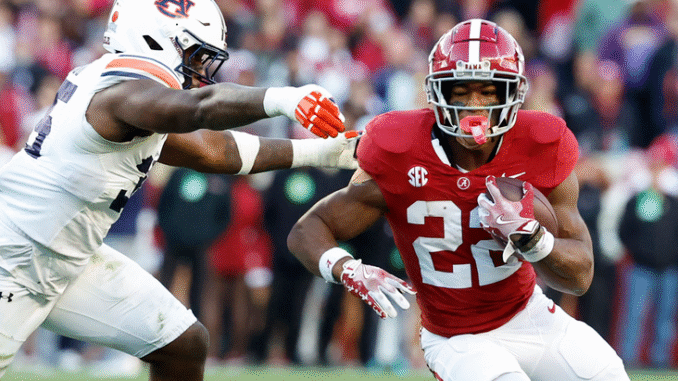
The universities of Alabama and Auburn have reportedly agreed to a groundbreaking, and deeply bizarre, player transfer program. The program, which is set to take effect for the 2026 season, would allow two players from each team to switch schools in a joint effort to “balance the competitive scales” and “foster a spirit of cooperation” in the historic rivalry.
According to sources familiar with the agreement, the unprecedented deal was brokered over several months of secret meetings between the athletic directors and head coaches of both schools. The proposal, which still requires approval from the NCAA, outlines a formal player exchange system wherein two student-athletes from each program would be selected by a joint committee and moved to the opposing school for a single season.
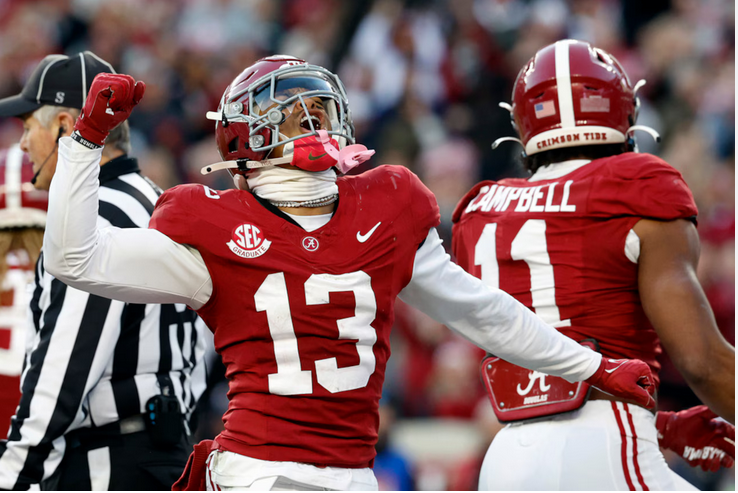
The players would retain all their scholarship benefits and academic credits, and their time at the rival institution would be counted as a continuous part of their college career.
The news has been met with a mixture of disbelief, outrage, and bewildered curiosity from fans and commentators alike. For generations, the Alabama-Auburn rivalry, known as the Iron Bowl, has been one of the most intense and bitter in all of sports. The idea of a collaborative effort, particularly one that involves sharing players, is anathema to the very foundation of the rivalry.
“It’s lunacy,” said a furious Crimson Tide fan on an Alabama fan forum. “This is sacrilege. What’s next, a joint fight song? A shared mascot? The Iron Bowl is about hatred. It’s about being better than them, not helping them out.”
The rationale behind the program, as explained by a source close to the negotiations, is rooted in the shifting landscape of college football. With the expansion of the SEC, the new College Football Playoff format, and the ever-present influence of NIL deals and the transfer portal, both schools felt the need for a new approach.
“The idea is that if the talent gap becomes too wide, it hurts the rivalry and it hurts the conference,” the source said, speaking on the condition of anonymity. “The committee, which would consist of a third party, a representative from each school, and a former player, would identify two players who would have the most positive impact on their new team while also maintaining the competitive integrity of their old one.
It’s a way to ensure both programs remain elite without one completely dominating the other, which is frankly a fear on both sides.”
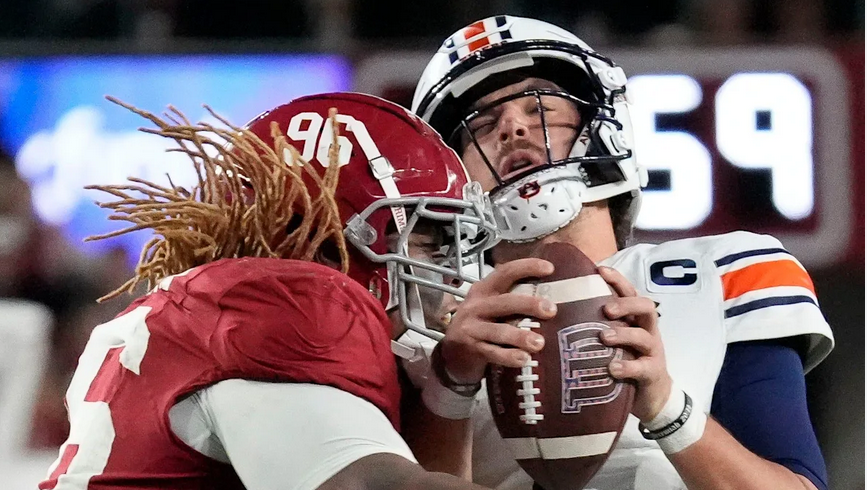
The logistics of the program are as thorny as the concept itself. The agreement specifies that the players transferred would not be able to return to their original school for a minimum of three years, effectively making it a permanent move for the purpose of the program.
It’s also unclear how this would affect a player’s NIL deals, many of which are tied to their specific school. Legal and financial experts are scrambling to understand the implications of such a unique arrangement.
Alabama Head Coach Kalen DeBoer and Auburn Head Coach Hugh Freeze have remained silent, with both universities releasing identical, carefully-worded statements confirming that they are “exploring innovative strategies to maintain the high level of competition and sportsmanship that has defined the Iron Bowl for generations.”
For players, the program presents a bizarre choice. Imagine being a star linebacker from Alabama, suddenly told you’ll be suiting up for the Tigers, or a standout wide receiver from Auburn, asked to catch passes for the Crimson Tide. The personal, emotional, and psychological toll this could have on these young men is a major concern for many.
“This isn’t about the players,” said a prominent sports agent who represents multiple players in the SEC. “This is about the brand. The schools want to keep the rivalry exciting and marketable. They’re treating these kids like chess pieces. It’s completely antithetical to the spirit of the game.”
The NCAA has yet to comment on the matter, but many experts believe the organization will be hesitant to approve such a radical departure from traditional transfer rules.
However, in an era where the NCAA’s power is increasingly being challenged, the two most powerful brands in college football might just have the leverage to force this strange new reality into existence. The Iron Bowl has always been a game of rivalry, but for 2026, it might just become a game of musical chairs.



Be the first to comment